






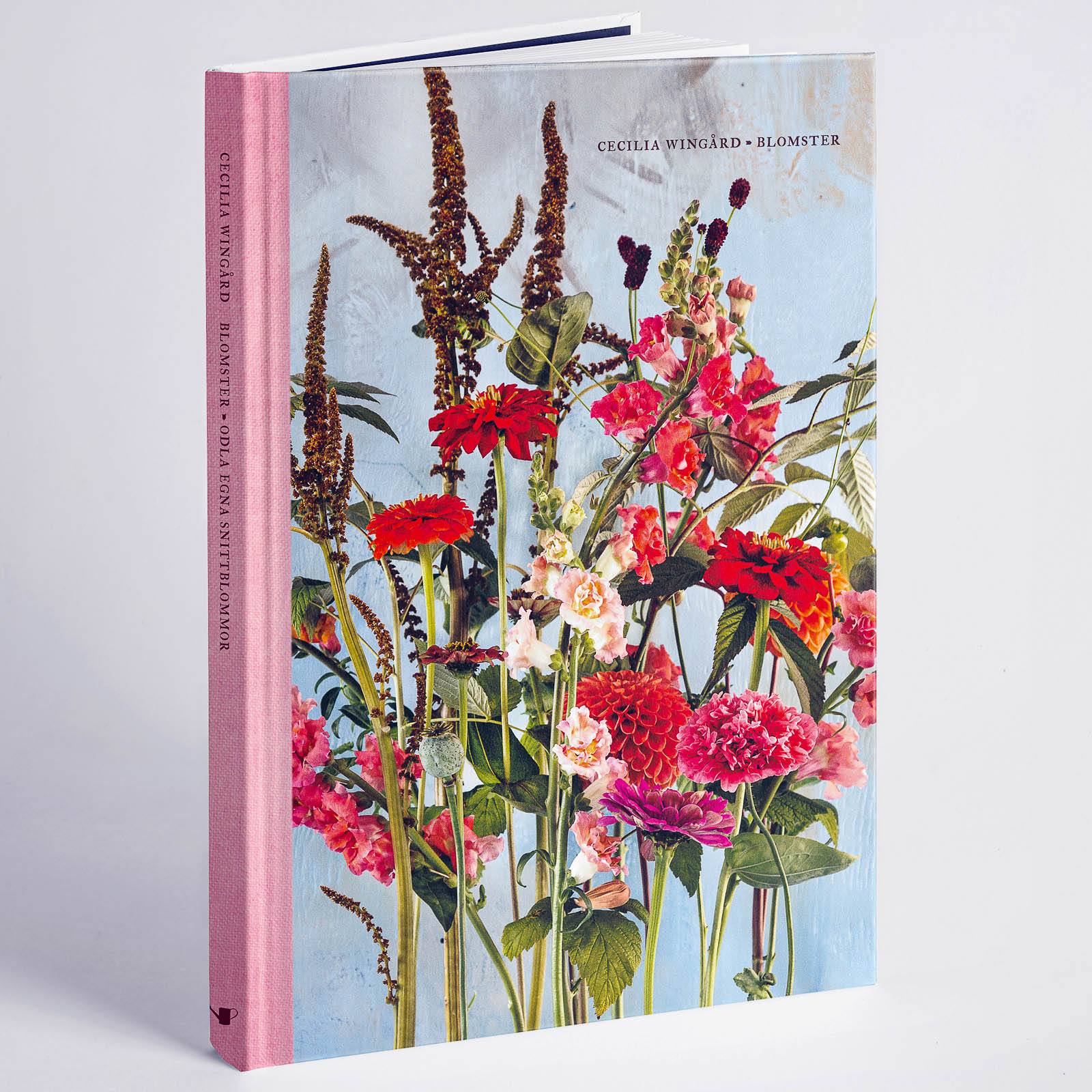
Want to learn even more? Our books are full of knowledge


Cecilia answers questions
If you can't find the answer, contact us below
Answers to your most frequently asked questions
Are sweet peas wind-resistant?
Yes, sweet peas can withstand a lot of wind – but they need a support to climb on.
Powdery mildew (white powdery coating)
Improve airflow (thin out, tie up), water at the roots – not on the leaves – and remove affected leaves. Maintain consistent, not excessive, fertilisation. Grow in partial shade or dappled sun. Sweet peas thrive best in cool conditions.
The sweet peas aren't blooming (or are blooming too little)
Pick more often, fertilize evenly (not just nitrogen), keep the soil moist. Excessive heat/drought and not picking will stop the flowering. The plants will set seed instead.
Aphids on the shoots - what do I do?
The plants are too dry and too warm. Aphids are especially common when growing in pots. Rinse with a jet of water, pinch off heavily infested tips, spray weak soapy water on the underside of the leaves, and repeat.
My seeds are germinating poorly – what could be wrong?
Most common are incorrect temperature, seeds sown too deep, or soil that is too wet or too dry. Sow about 2 cm deep in evenly moist (not wet) potting soil and place at room temperature. Keep in mind that mice love sweet pea seeds. Therefore, direct sowing outdoors is unsuitable as the seeds are desirable to mice and birds.
My plants are growing tall and leggy – what do I do?
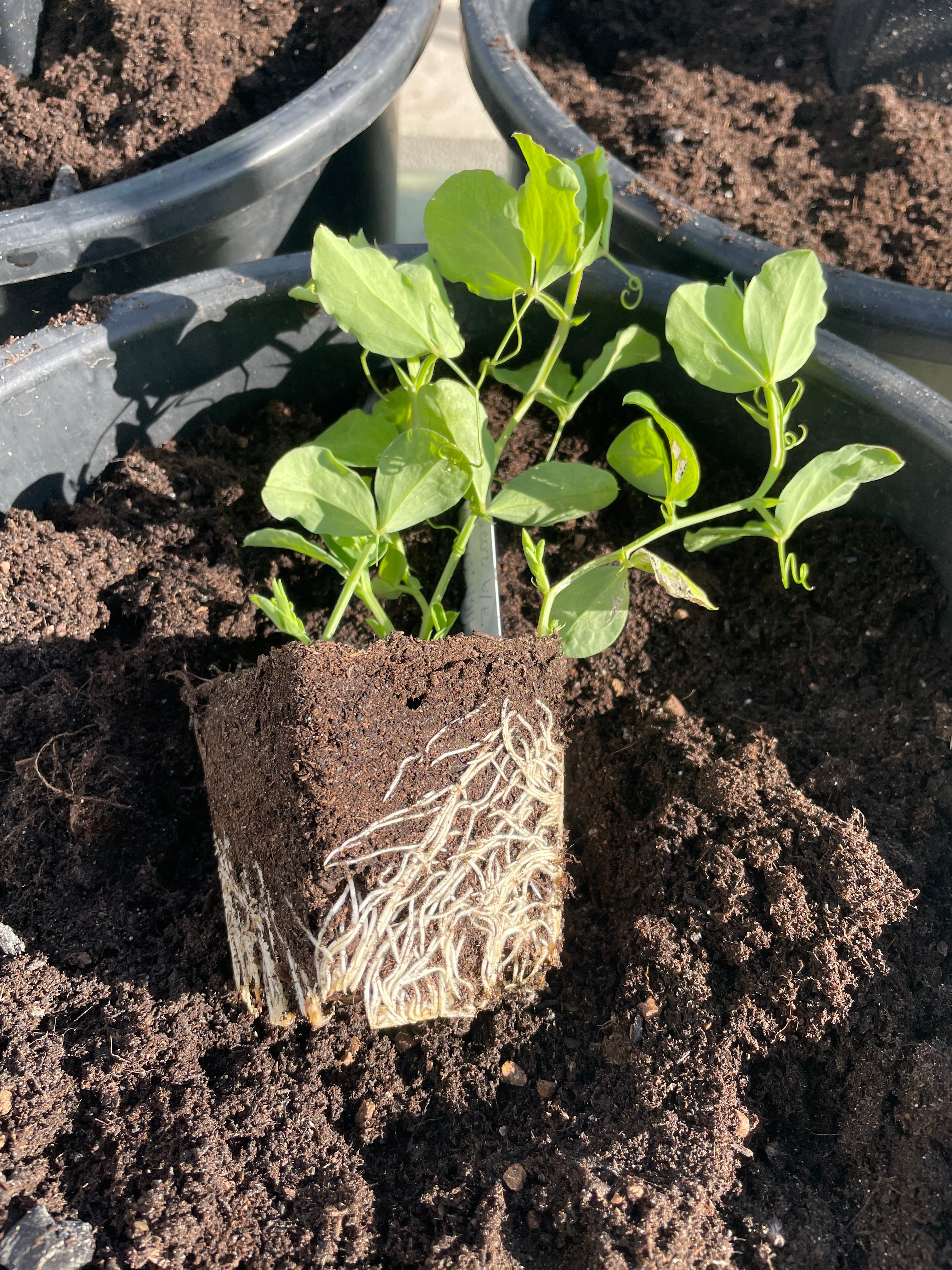
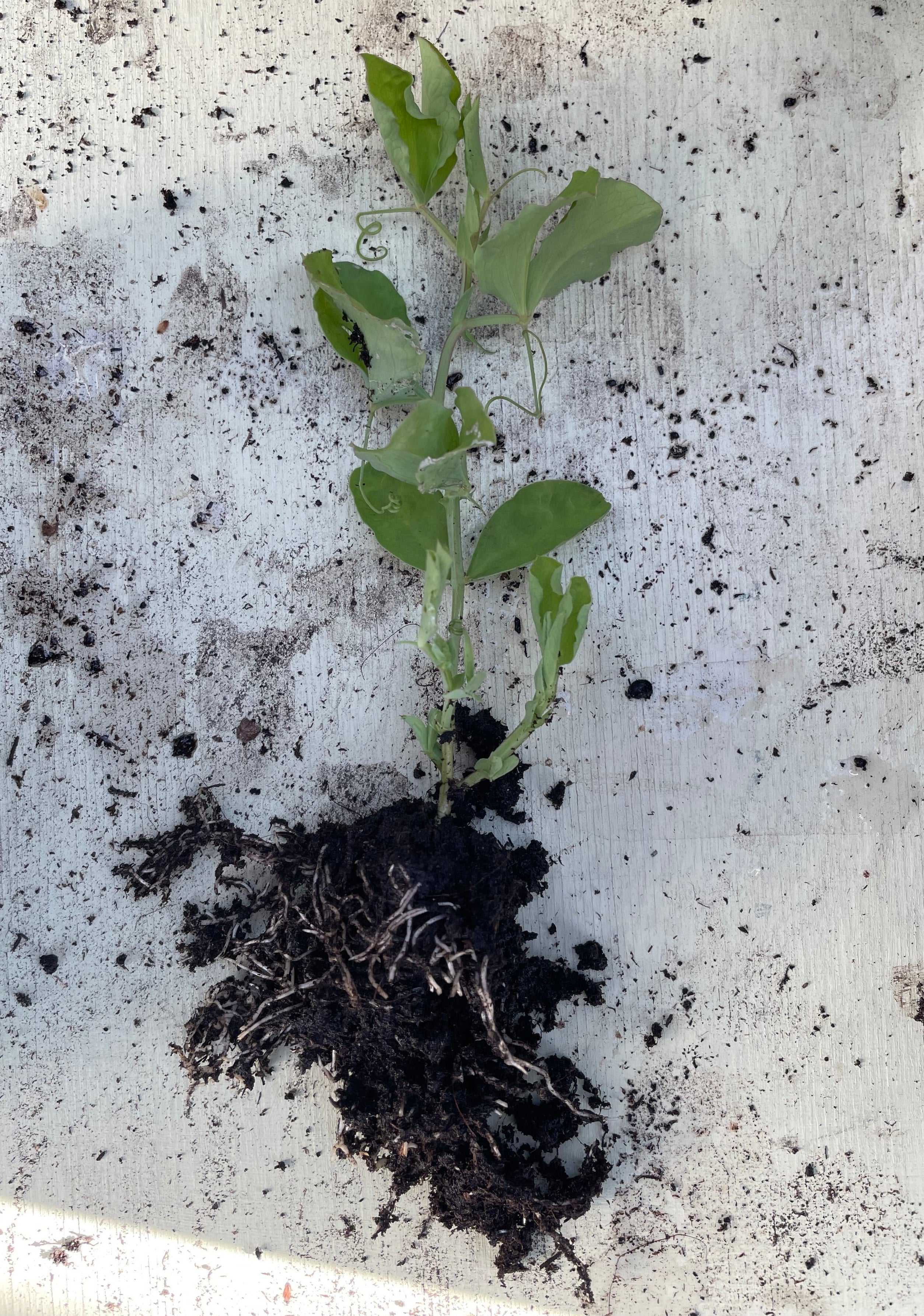
If your seedlings grow tall and leggy, they have been kept too warm or have not received enough light. We recommend placing them outdoors once they are approximately 5-7 cm tall – this will make the plants sturdy instead of leggy. It doesn't matter if it's cold outside.
What can I use for climbing support?
Sweet peas like to climb. You can use most things you have available. Reinforcing mesh, trellises, chicken wire, cut (long) branches. Keep in mind that the plants can grow very tall. Feel free to use binding rings.
Do you have to top sweet peas?
You don't need to do that; the plants will branch out naturally.
Slugs and deer – what do I do?
Snails do not like sweet peas once they have grown a bit. Deer like sweet peas. Try Trico Garden or bone meal – it works in most cases.
How long do sweet pea seeds last if I don't sow them all at once?
Store the seeds in the freezer, and they will often last for more than 50 years. This is the same principle used in the seed bank in Svalbard.
Can sweet peas tolerate frost?
Yes, sweet peas tolerate cold well and can withstand temperatures down to about -8 degrees Celsius. The cold makes the plants stocky and strong – they actually benefit from it. The flowers themselves can tolerate a few degrees below freezing in the autumn.
How long do sweet peas bloom during the summer?
Sowing from week 12 will result in a long flowering period, as long as you maintain the plants with water and fertilizer. You must pick the flowers continuously. The more you pick, the more they will bloom.
How do I get my sweet peas to bloom extra long?
The more flowers you harvest, the more new flowers will appear. Be diligent with fertilizing and watering if it doesn't rain.
What's the best way to harvest sweet peas?
With sharp scissors or secateurs, preferably in a dressing gown on a lovely summer morning with a cup of coffee close at hand. Bring a small bucket with absolutely clean water to put the flowers in to 'draw water' immediately. Let the flowers stand in a cool place for at least 4 hours before arranging them.
Do sweet peas need fertilizer – and if so, what kind?
Sweet peas love fertiliser! Cow manure, horse manure, and compost as a base fertiliser before planting out your seedlings. Chicken manure, ‘golden water’ (diluted urine), or bokashi work excellently – but use whatever you have available; it will still turn out well.
What soil is best for sweet peas?
Sweet peas thrive best in well-fertilized potting soil, preferably peat-free. If you are growing them in pots, it is especially important to use well-fertilized soil.
How far apart should you plant sweet peas?
Approximately 15 cm. A good trick is to use the distance between your thumb and index finger when they are fully extended.
Do the seeds need to be soaked before planting?
No, we do not recommend soaking. There is a high risk that the seeds will rot.The advice to soak comes from the turn of the last century (1890-1920) when sweet pea seeds were grown in California and developed very hard shells.
Where in the garden do sweet peas thrive?
Sweet peas thrive in airy and cool conditions. Preferably plant them in an open space, for example, in the vegetable garden or flower bed. They need good air circulation and do not require sun all day. They need a 'climbing frame' to grow on and should be tied up as they grow. If you grow them against a south-facing wall, there is a high risk of aphids. It simply gets too hot.
Do you have to pre-grow?
We advise against direct sowing outdoors as the seeds are very desirable for mice and birds.
How deep should sweet pea seeds be sown?
Please read our cultivation tips – but as a guideline, sow about 1-2 cm deep.
When is the best time to sow sweet peas?
We count the best time to sow sweet peas from week 12 in southern Sweden. They will then bloom just in time for midsummer (90 days from sowing).
It is fine to sow sweet peas until April.
Can you sow sweet peas indoors?
Sweet peas are an outdoor plant. Grow them outdoors in flowerbeds or in a large pot on a balcony or terrace if you don't have access to a garden. It is easier to succeed with cultivation in flowerbeds.